Service




Engagement Ring Buying Guide
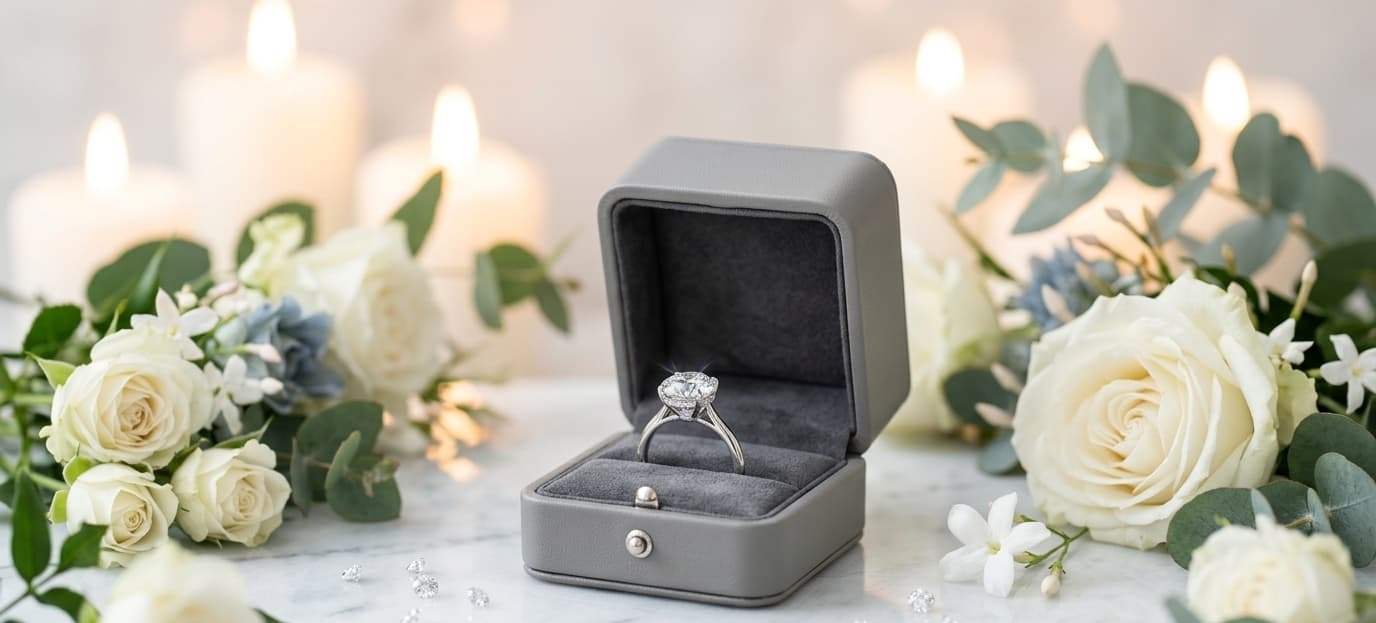
So you're planning on getting engaged. Congratulations! Choosing an engagement ring is probably the most important jewellery purchase you'll ever make, so it's important that you get it right. Our engagement ring buying guide will help you choose your engagement ring with confidence.
In our guide
-
Choosing the engagement ring style
-
Choosing an engagement ring setting
-
Choosing a diamond
-
Lab grown or natural diamond
-
Choosing a diamond shape
-
The 4 C’s
-
Diamond Carat
-
Diamond Cut
-
Diamond Clarity
-
Diamond Colour
-
Choosing the ring metal
-
Choosing the right size
-
Setting a budget for your engagement ring
-
Design your own engagement ring
-
Shop quick shipping engagement rings
-
Booking an appointment
|
|
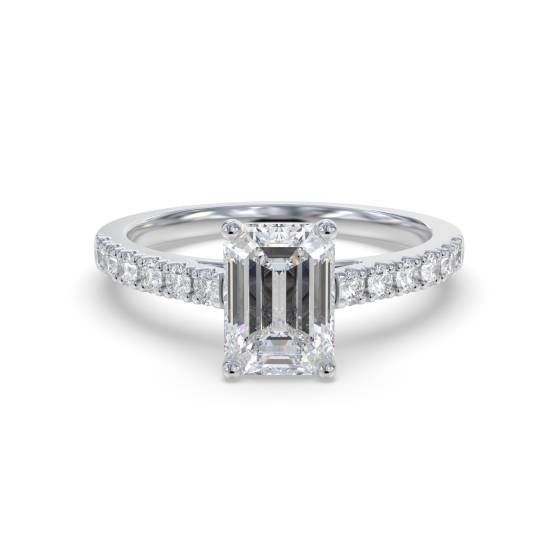
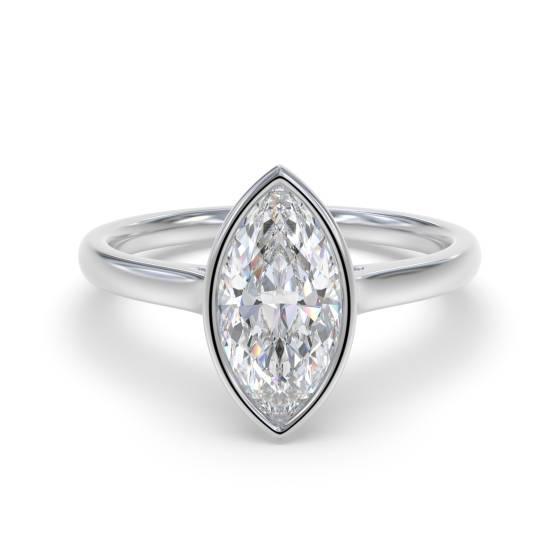
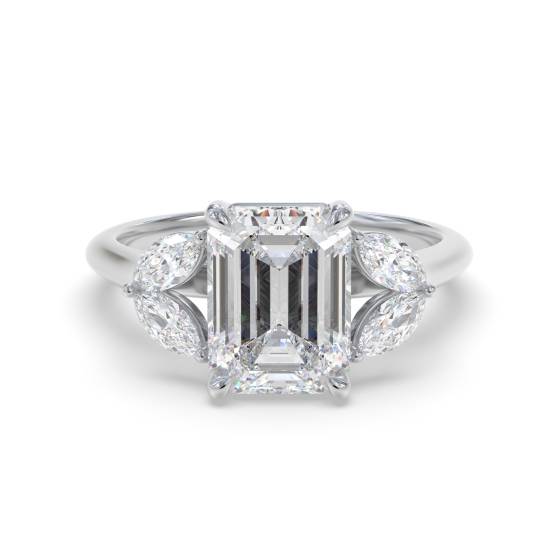
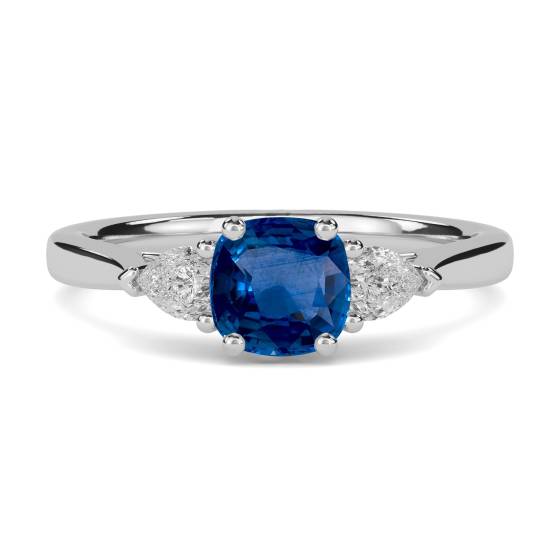
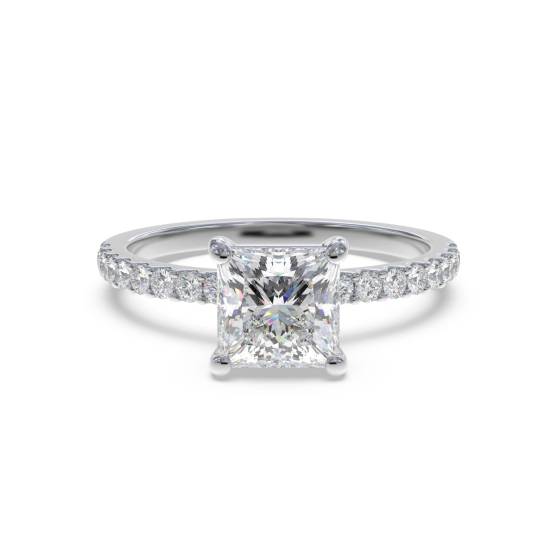
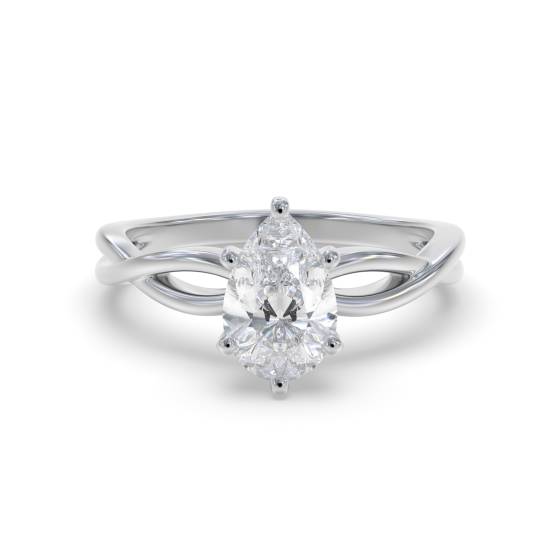
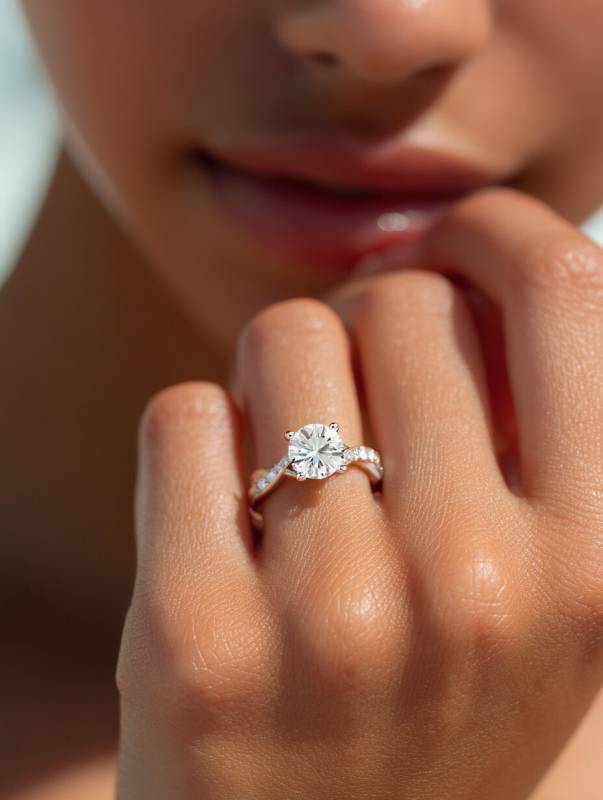
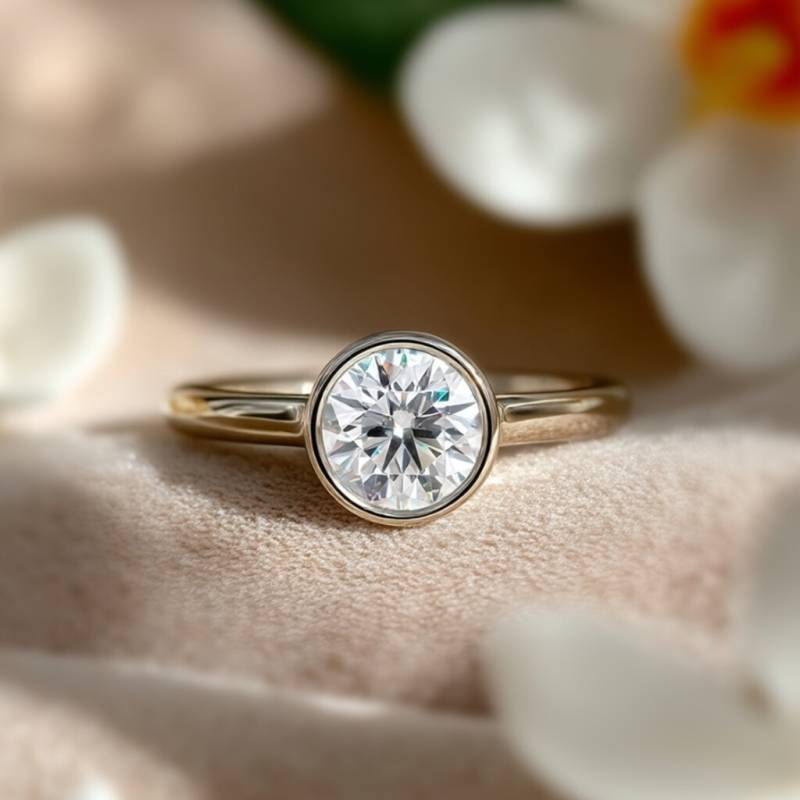
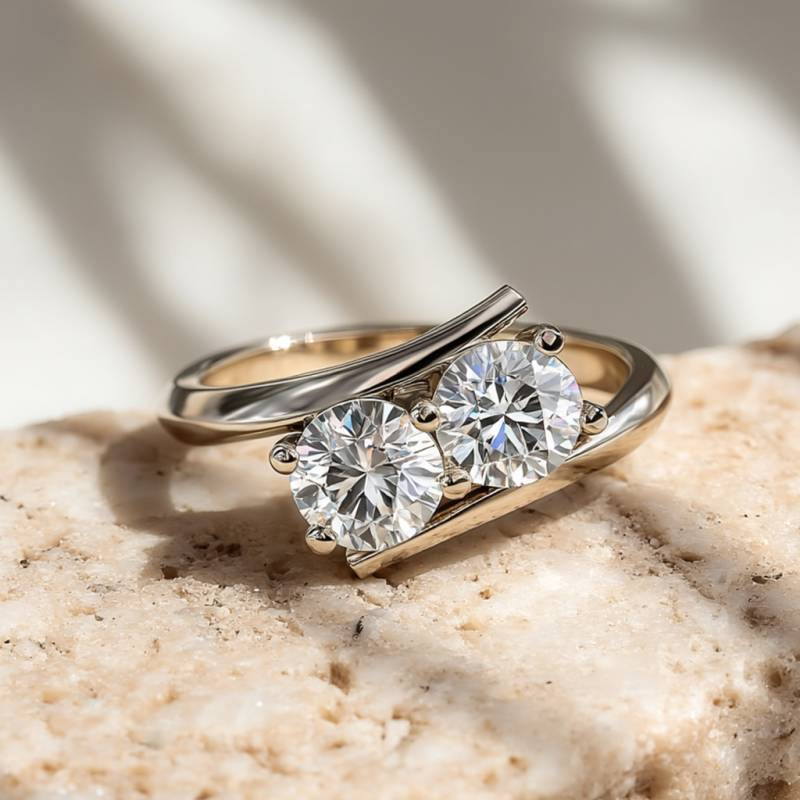
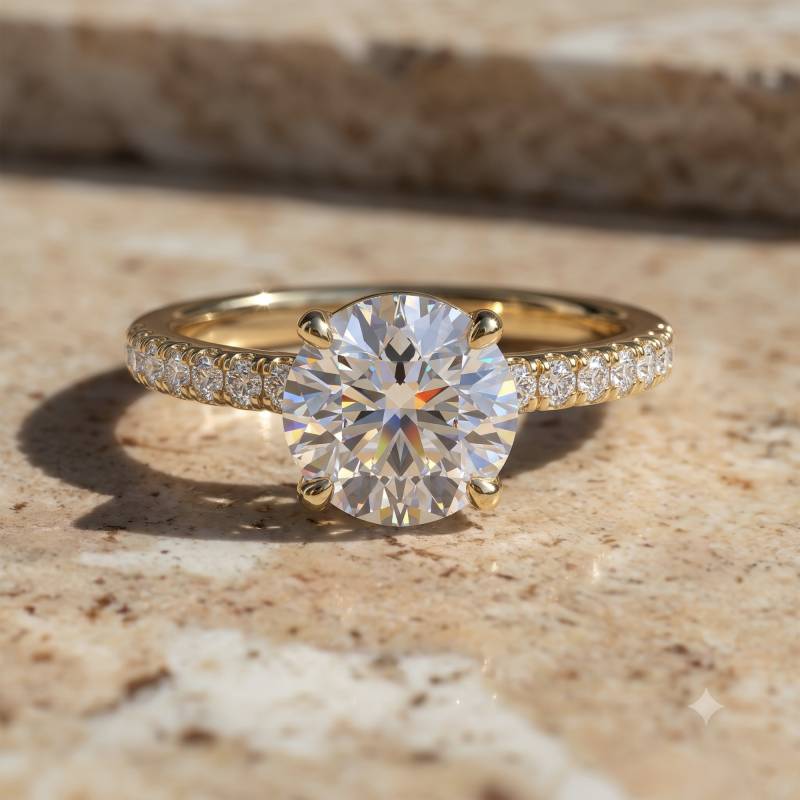
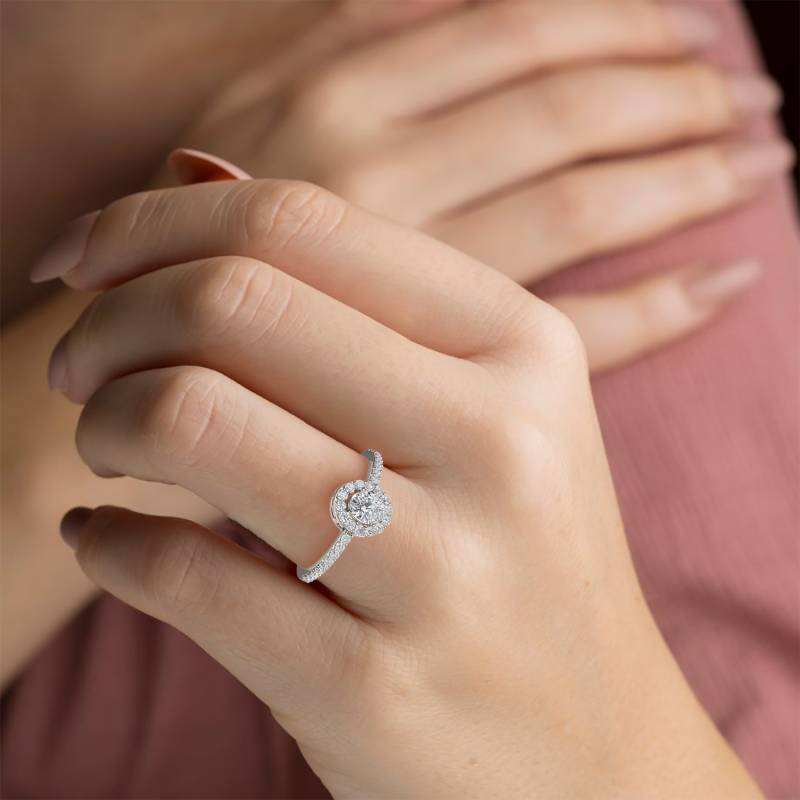
Choosing the engagement ring styleThe choice of engagement ring style might feel overwhelming, but when you find the right ring for your proposal, everything will just feel right. It's important to do your research into different styles of engagement ring so that you choose something that matches your partner's personality, the kind of jewellery they usually wear, and suits their lifestyle. Here at Diamond Heaven, we have the largest selection of diamond jewellery in the UK across our stores nationwide, so you can relax knowing we have the perfect ring for your proposal.
|
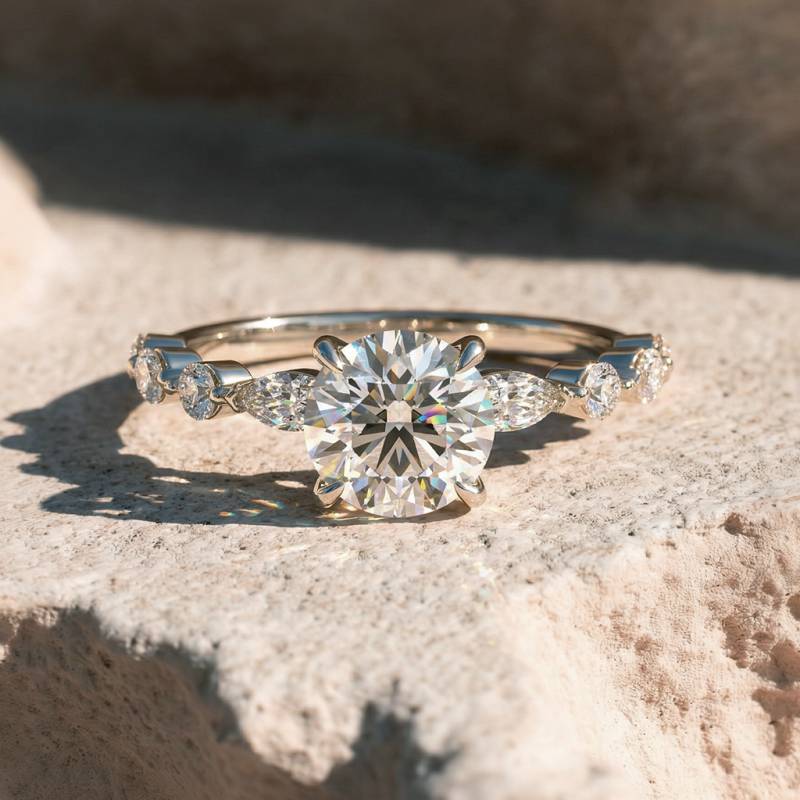
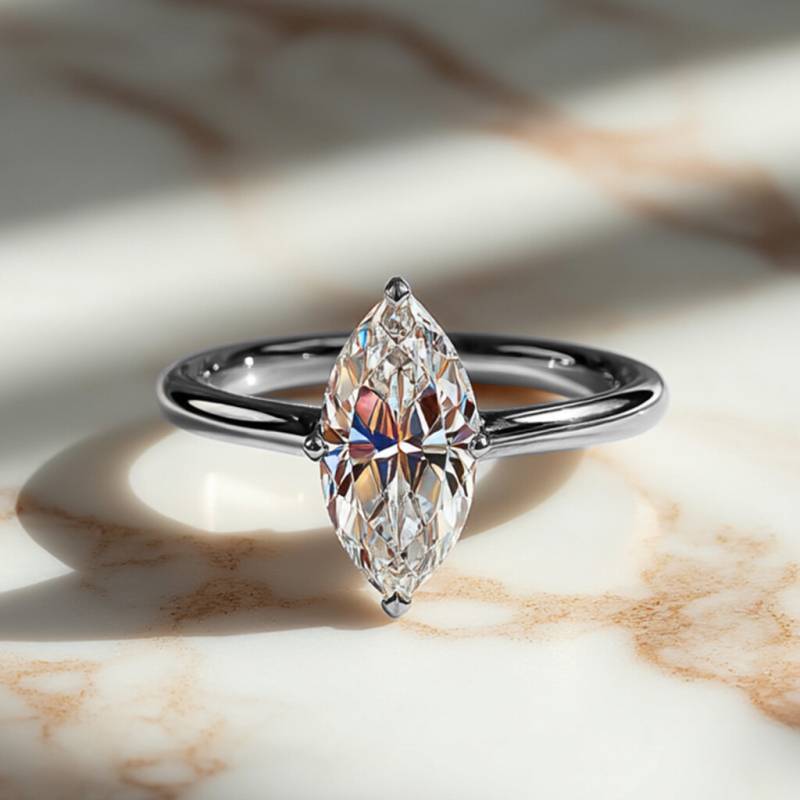
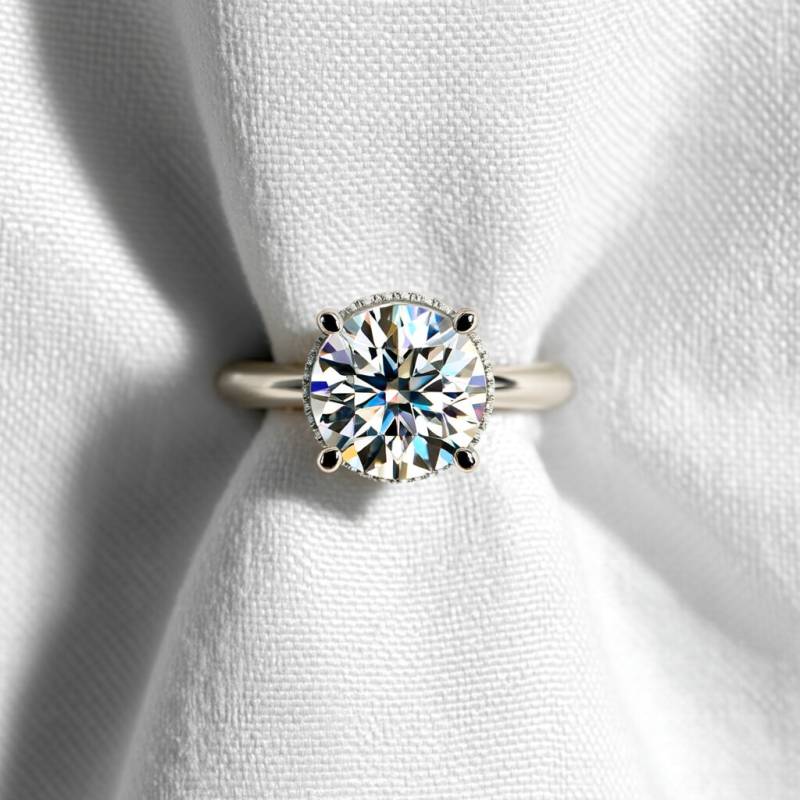
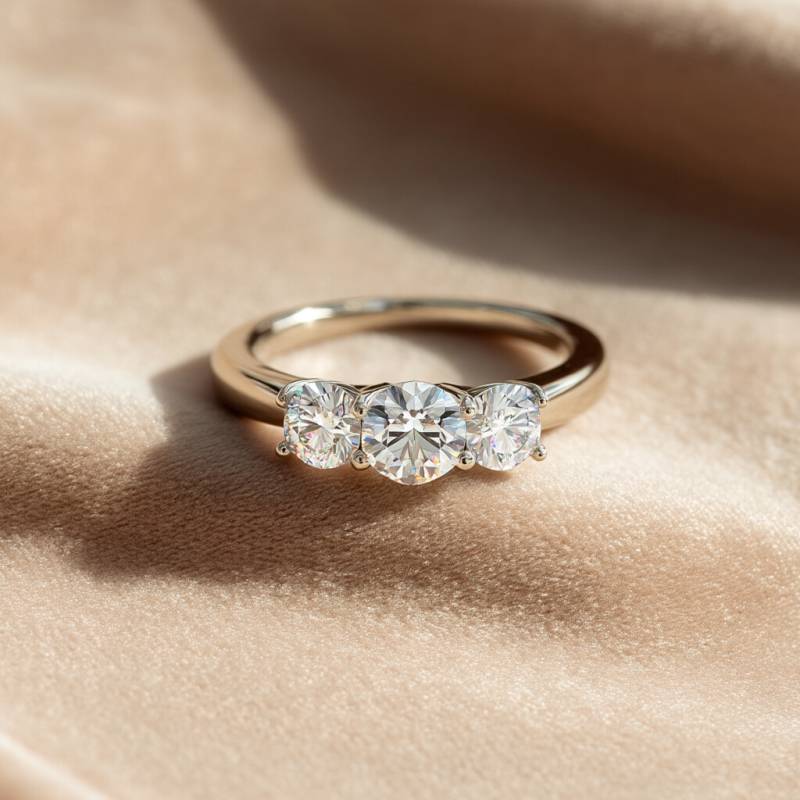
Choosing an engagement ring setting
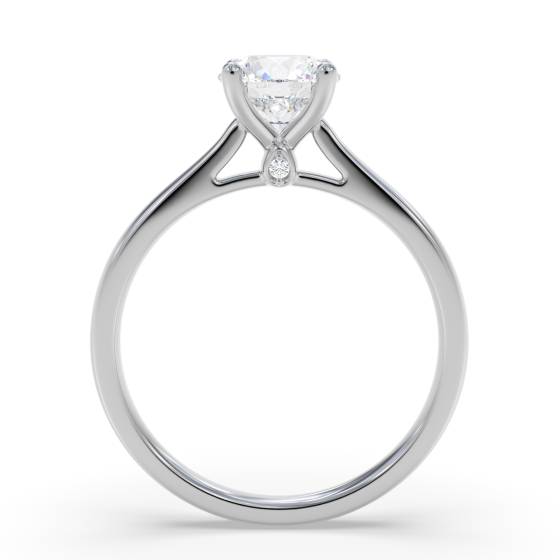
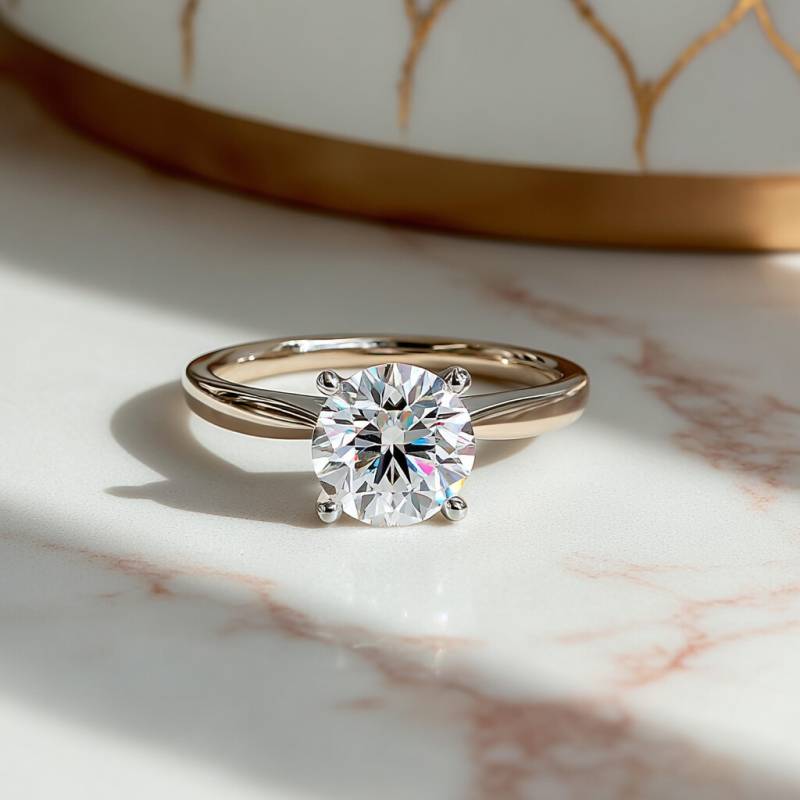
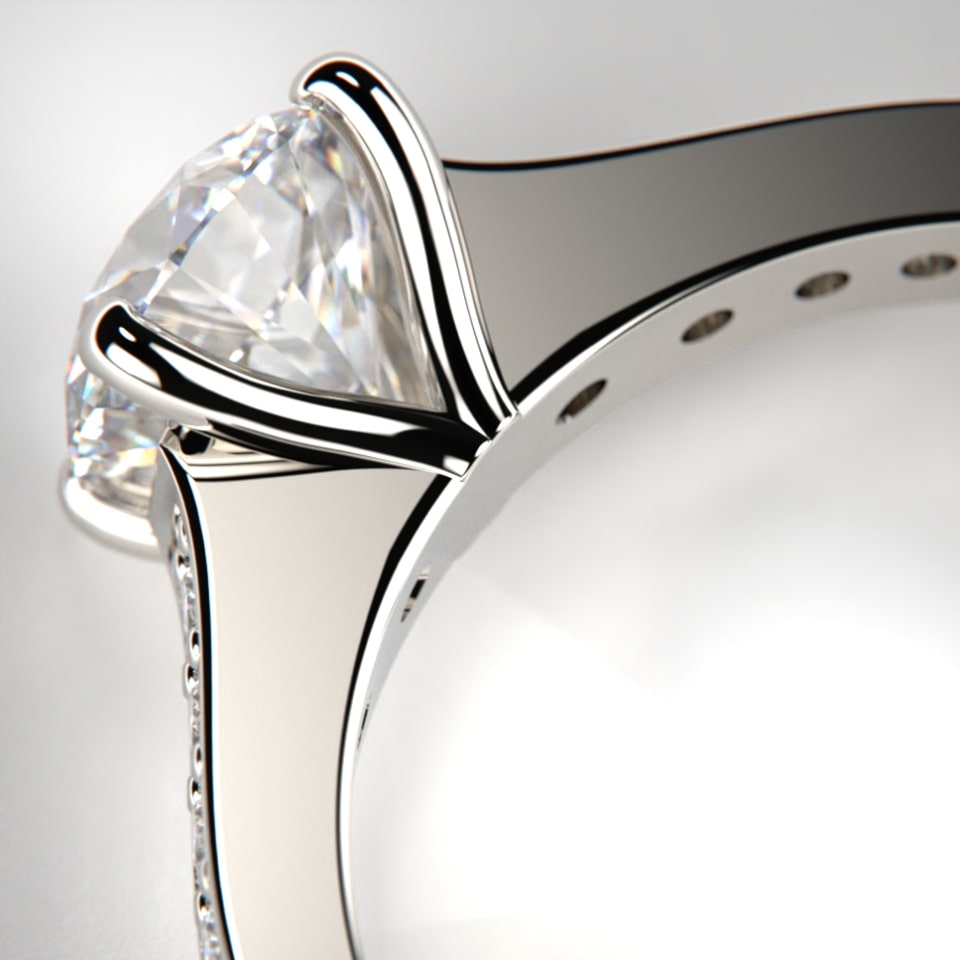
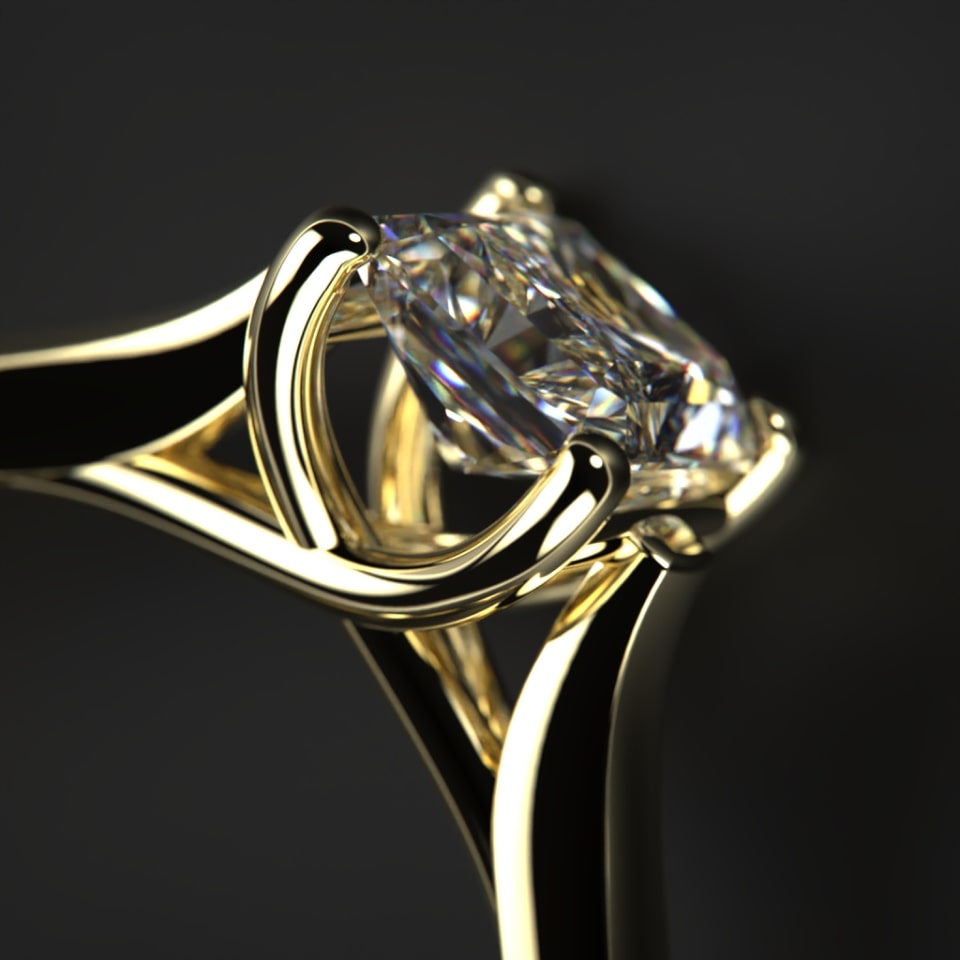
If you’re designing your own engagement ring, a good place to start is the setting. Think of the setting as what dictates your overall look and feel. It also affects its durability, protection and wearability.
Light performance
Open settings allow light to enter the stone from multiple angles, maximising sparkle.
Prong setting | Trilogy ring | Higher profile
Size perception
Higher settings and delicate bands lift the diamond up, making it more prominent. Halo designs make the diamond appear larger by increasing the area of the ring’s focal point.
Halo setting | Higher profile
Durability
While diamonds themselves are durable, some settings are more durable than others. Bezel settings offer maximum protection and are recommended for an active lifestyle. Pointed diamond shapes, like a marquise or pear shapes, should have protective prongs to hold the diamond in place. Side stones, halo and trilogy settings are also more durable as the central diamond is supported by the other stones.
Bezel setting | 4-6 pronged settings | Trilogy settings | Side stones | Halo setting
Comfort
When choosing an engagement ring that will be worn every day, comfort is key. Thicker bands might feel more substantial, and lower profiles are less likely to catch or snag on clothing. Selecting a bridal set is another good option, as you know both rings will nestle perfectly next to one another.
Bezel setting | Thicker bands | Bridal sets | Low profile
Choosing a diamond
The diamond you choose not only decides the main focal point of the engagement ring, but it also has the biggest impact on your ring financially. If you’re designing your own engagement ring, you might want to start with the diamond. It’s important to do your research to make sure you’re prioritising the elements that matter most to you.
Lab grown or natural diamond
One of the biggest choices you’ll make when selecting your diamond is whether to opt for a lab-grown or natural diamond.
Lab grown diamondLab grown diamonds are created in a laboratory using a process that replicates how diamonds are formed naturally. It replicates a procss that takes place over millions of years in just a few short weeks. This means that more diamonds are produced; this availability allows them to be sold at a much lower price compared to natural diamonds. Lab grown diamonds are a great option if you want a diamond that is equally durable, brilliant and long-lasting as a natural diamond, at a lower price point. |
Natural diamondNatural diamonds are a traditional choice; they've been on the planet for billions of years, waiting to be discovered beneath the Earth's crust. Just like two soulmates waiting for one another, natural diamonds are out there waiting to be turned into a beautiful engagement ring. Choose a natural diamond if you're considering it as an investment piece or a family heirloom to pass down from generation to generation. |
Choosing a diamond shape
|
|
|
|
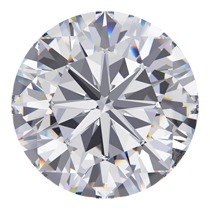
ROUND |
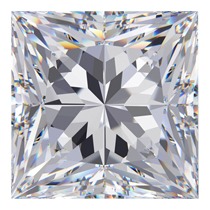
PRINCESS |
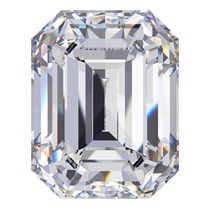
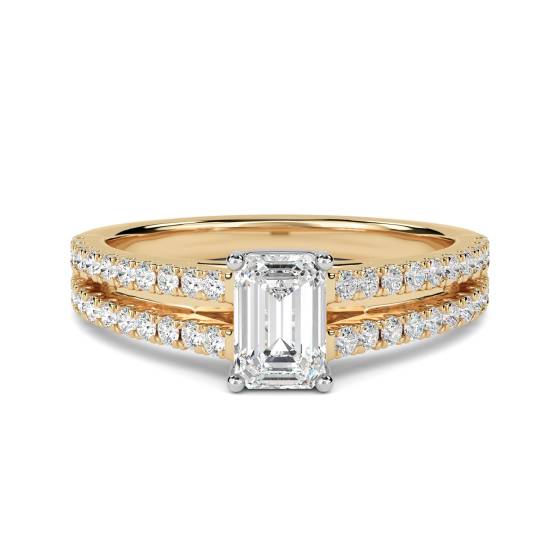
EMERALD |
|
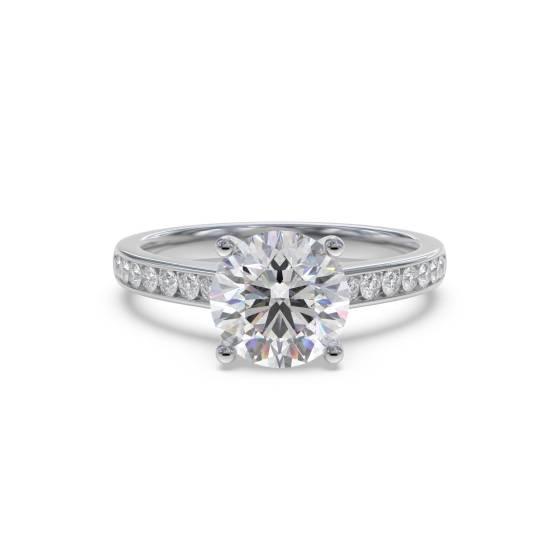
The most popular choice of diamond, it has the most ideal proportions to maximise brilliance and sparkle. Best for: Maximum sparkle and versatility. |
The Princess Cut Diamond is an elegant, modern and popular diamond shape. Best for: Modern settings with high sparkle. |
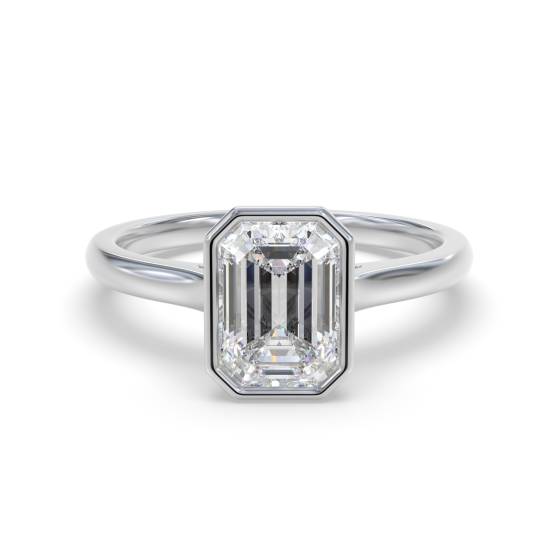
Echoing back to oldHollywood, the rectangular facets truly show off the diamond’s clarity. Best for: Classic art deco designs. |
|
|
|
|
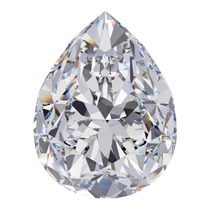
PEAR |
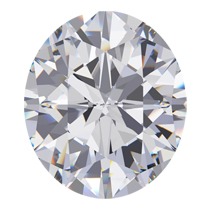
OVAL |
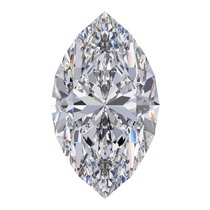
MARQUISE |
|
This is a great diamond to choose to elongate the finger whilst the light dances across this delicate and feminine diamond cut. Best for: Flattering all hand shapes. |
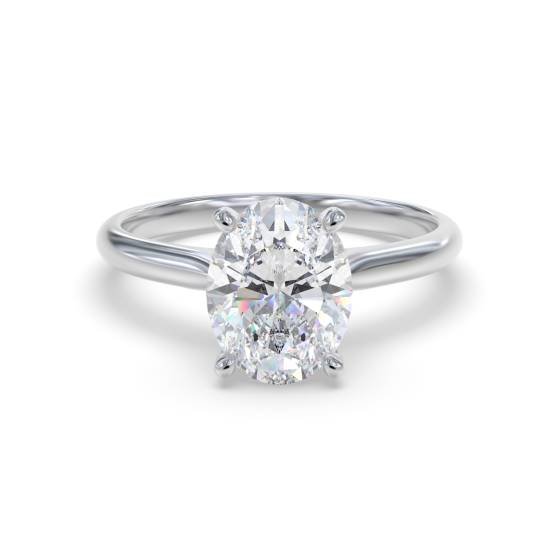
The Oval Cut Diamond elongates the finger without losing its brilliance. A versatile and magnificent diamond choice! Best for: Giving the illusion of a larger stone. |
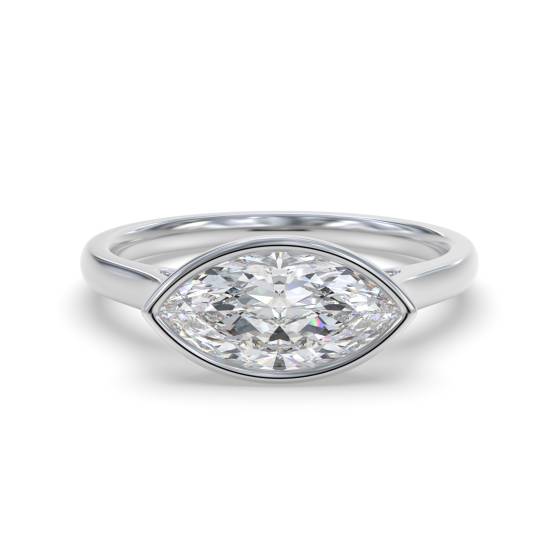
If you’re looking for a diamond shape to optimise the carat weight, then the Marquise Cut is your diamond of choice. Best for: Statement rings. |
|
|
|
|
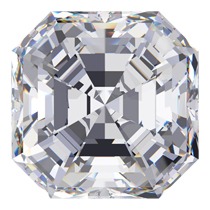
ASSCHER |
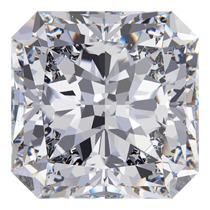
RADIANT |
CUSHION |
|
An exceptional diamond cut, reminiscent of the Art-Deco era. Best for: Vintage art deco charm. |
Encapsulating the best aspects of the Brilliant Cut, Emerald Cut and Princess Cut Diamond, the Radiant Cut Diamond has become a diamond in demand. Best for: Brilliance in a square shape. |
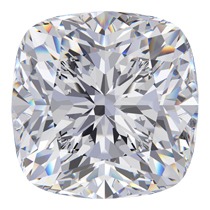
This soft ‘pillow shape’ diamond is a unique cut, allowing for a greater separation of white light into spectral colours. Best for: Romantic vintage styles. |
|
|
||
HEART |
||
|
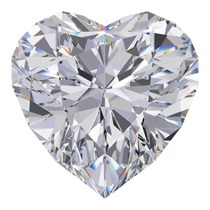
A truly romantic diamond, what better way to show your love than with a Heart Cut Diamond? Best for: Fun, symbolic romance. |
The Four C’s
The 4 C’s- Cut, Clarity, Colour and Carat- are all important elements to take into account when purchasing your diamond Engagement Ring. Here’s a brief recap on what each one means:
|
|
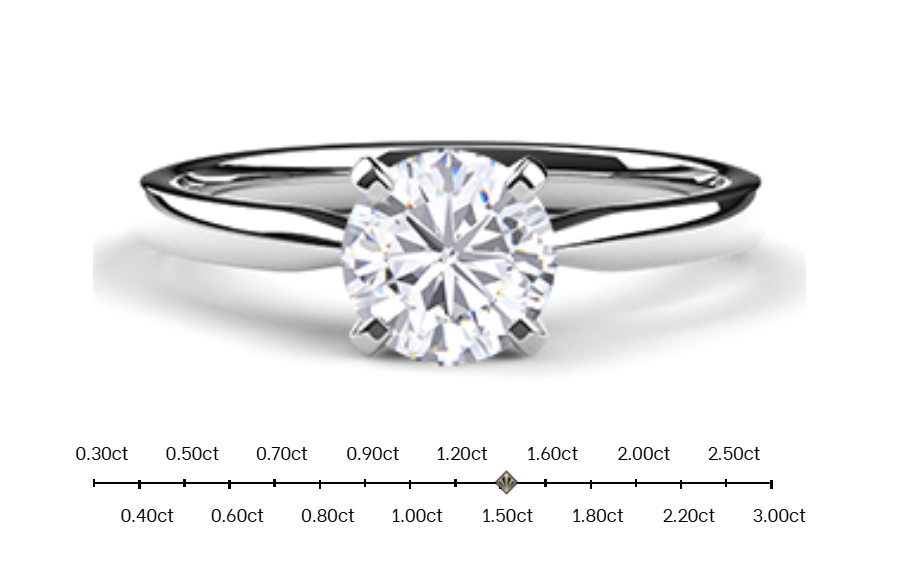
CARATCarat refers to the weight of a diamond. Diamonds are all weighed in metric carats rather than grams or ounces. This is a standard industry practice around the world. Diamond is expressed to the hundredth of a carat. Carat weight of less than a carat is expressed in points. So, for example, a 0.75ct diamond will be 75 points. Most jewellers will refer to carat weight in this terminology. Another way to explain this would be using pounds, 100 pence equals 1 whole pound. Therefore 50pts will be 0.50ct and so on. A common misconception is that it refers to the physical size of a diamond, which is incorrect. The diamond weight does not govern the size of the stone. We always recommend trying a range of carat weights to determine which will be best for you. This way you will also be able to assess the visible size. |
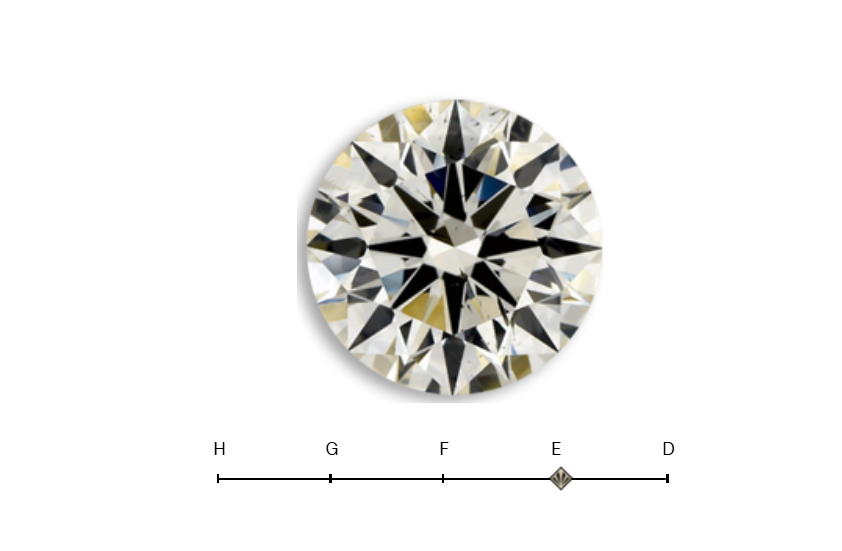
COLOURWhen searching for your perfect diamond, one of the C’s to consider during this process is the Colour. Usually, people tend to choose a diamond with the least amount of colour, as it shows the purity of colour and rarity of quality. The diamond colour grading system is based on an alphabetised system, starting from ‘D’, meaning the diamond is completely free of any colour, all the way to ‘Z’, meaning there is a visible tint of colour in the diamond. To see a difference in colour between two diamonds, you usually have to compare at least three colour grades (i.e, E Colour and a H Colour). |
|
|
|
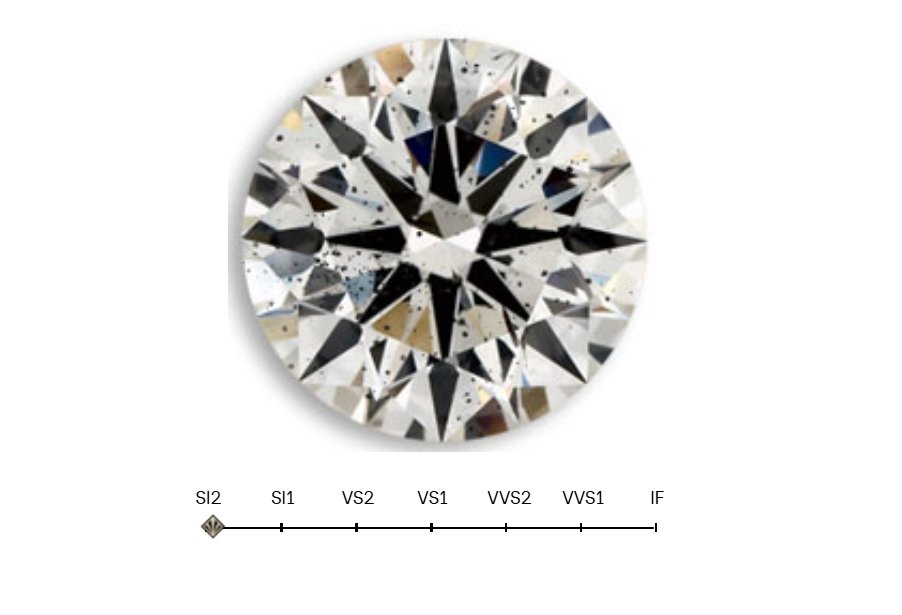
CLARITYThis will determine the number of natural inclusions that are inside the diamond. The higher the quality (such as VS1 or VVS1) the fewer inclusions there will be, , and the light can refract out of the diamond better than a lower clarity (such as SI2). |
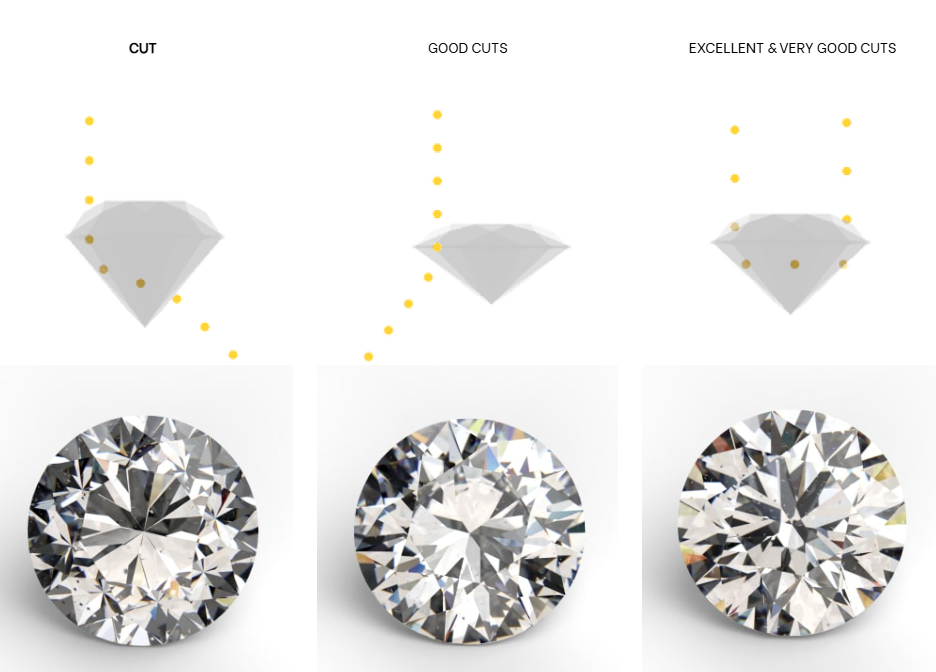
CUTThe way the diamond is cut will determine the sparkle and brilliance of the diamond. An excellent cut will reflect the optimum amount of light that enters the diamond. Lower quality cuts, such as good or poor, won’t reflect as much light and lack lustre. |
|
Choosing the ring metal
The metal you choose should suit not only your partner’s style, but also showcase the diamond. Take a look at our metal options below.
|
|
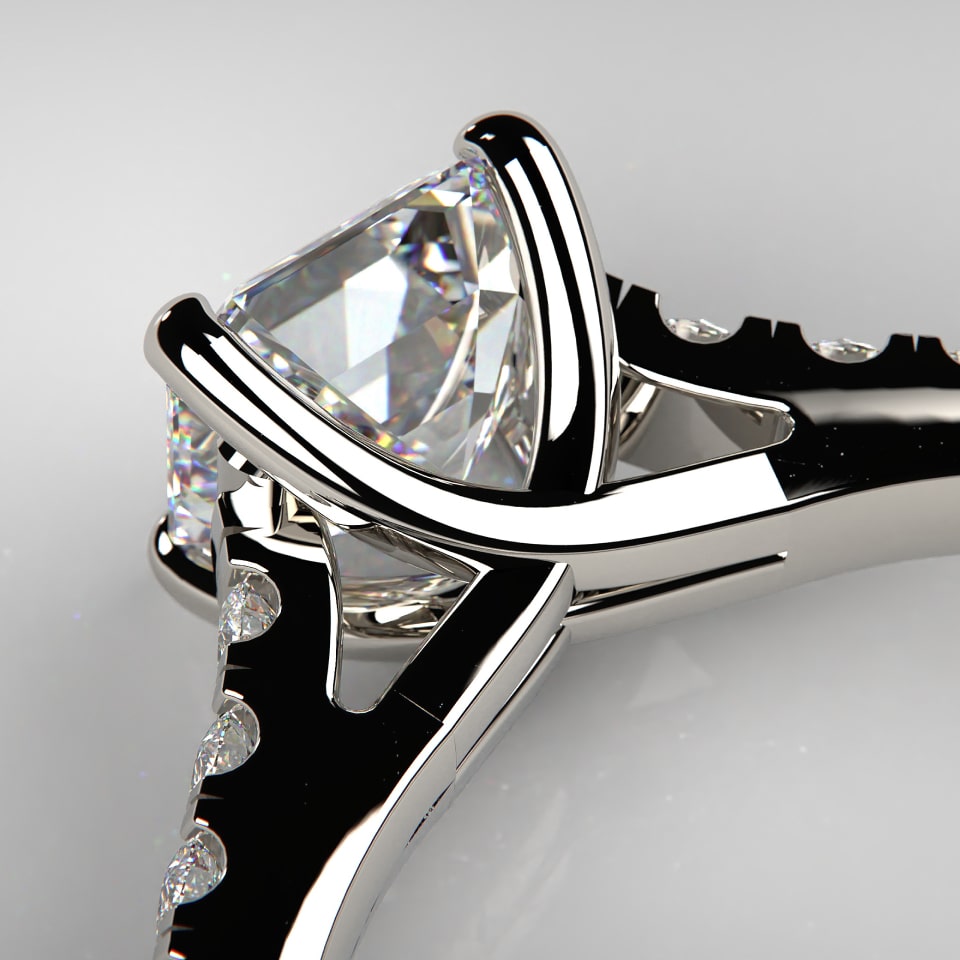
Platinum Platinum reigns as the ultimate choice for engagement rings. It’s a naturally white metal which never tarnishes. Over time it develops a soft patina, which professional polishing can restore to its pristine finish. |
|
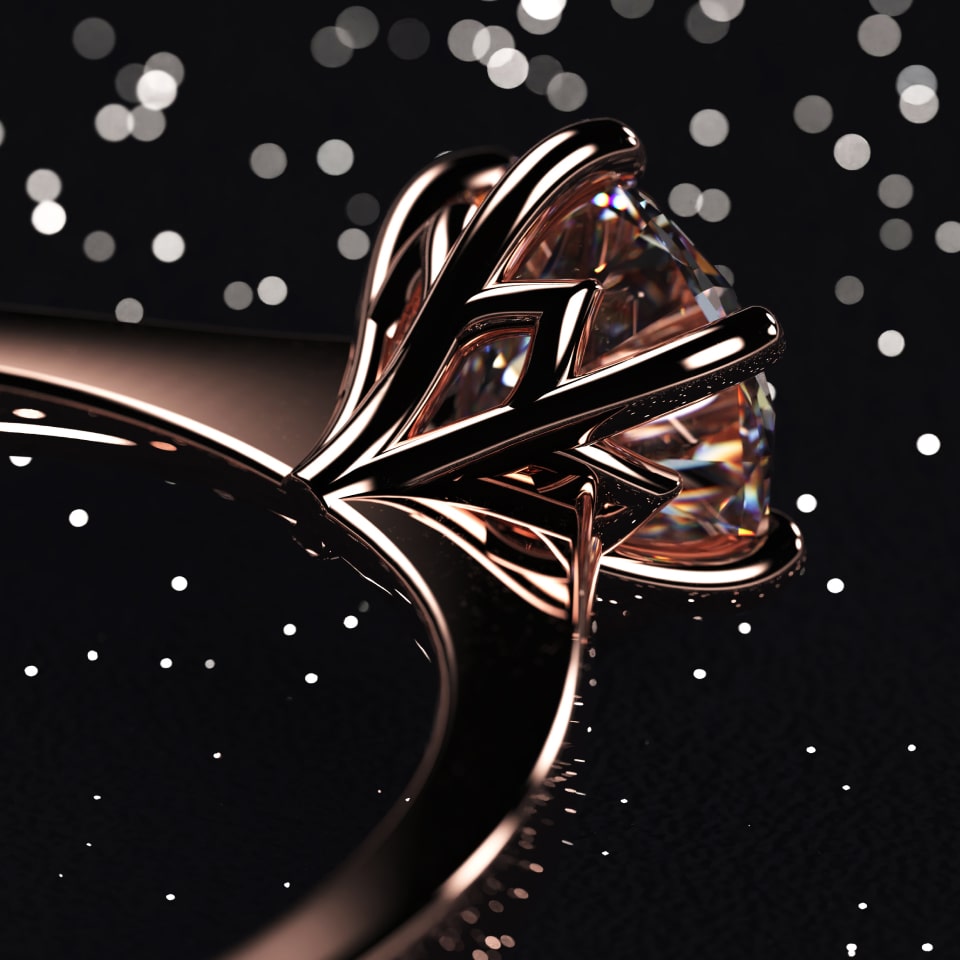
18ct Rose Gold Born in the 1920s and reborn in the 2010s, rose gold’s romantic blush tone is captivating. |
|
|
|
18ct White Gold White gold remains a popular choice. Its natural yellow colour is removed with a rhodium plating that creates signature brilliance. The plating gradually fades with wear, but can be replated to restore its luminous finish. |
|
18ct Yellow Gold A timeless classic. Yellow gold has been a popular jewellery choice for millennia, prized for its warm glow. Its rich colour comes from its natural tone and carefully selected metal alloys. |
|
Choosing the right engagement ring size
The most reliable way to choose the right engagement ring size is to visit us in store, for professional sizing. However, with an engagement ring, we know that that’s not always possible.
If you’re trying to secretly find out your partner’s ring size, you can use her existing jewellery to get a measurement, or use the string method. Wrapping a piece of string around her finger and then checking where it overlaps.
If you’re really stuck - the average size for an engagement ring in the UK is an L1/2.
We can comfortably resize most rings within 3 sizes each side, however, this gets difficult if opting for a ring which features diamonds all the way around the band.
Setting a budget for your engagement ring
An engagement ring should be an investment in your relationship, rather than a financial strain. That’s what we’ll always recommend shipping within your means rather than giving in to outdated stereotypes of what an engagement ring costs. The only budget that matters to you is the one that feels generally comfortable.
Before exploring options, establish what you can afford without compromise. This will help you to shop with confidence.
Visit one of our showrooms and compare rings side by side. Seeing different styles, metals and settings in person ensures your choice feels right.
Design your own engagement ring
Creating your own engagement ring couldn’t be easier. Choose what matters to you. Start with the setting first or the stone and customise every detail.
Make sure to allow enough time before your proposal. Solitaire items take 2-3 weeks, while multi stone jewellery takes 3-4 weeks, or slightly longer during peak times.
Quick shipping engagement rings
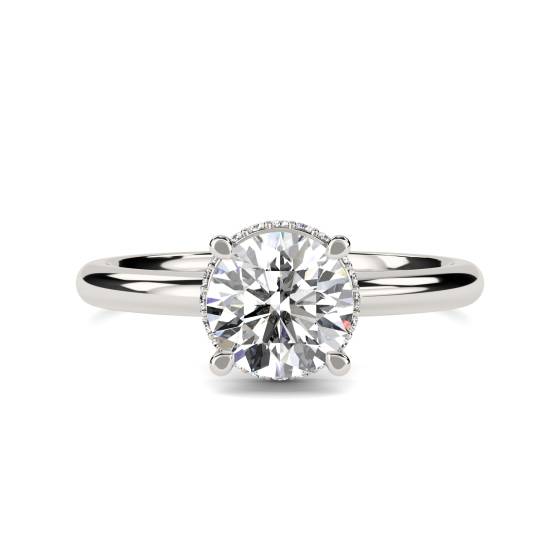
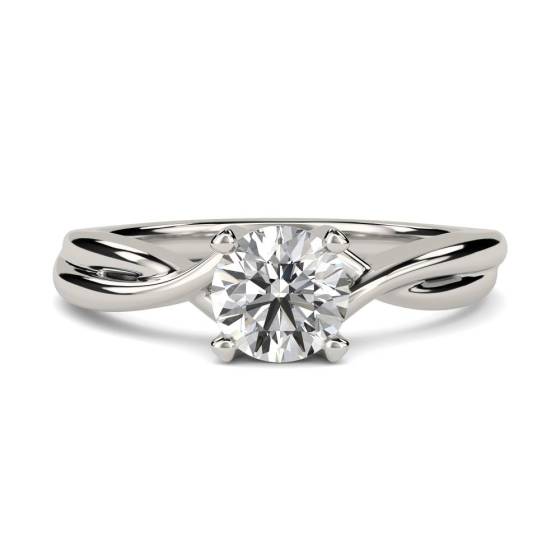
With the largest selection of diamond jewellery, we have plenty of options available if you don’t have time to wait. You can even browse our selection and review a shortlist in store if you want to take a ring home on the same day.
Quick Shipping Engagement Rings


Book an appointment
Book an appointment to find your dream engagement ring. We’ve got stores across the UK and Ireland with locations in;